5,500 Farmers and Counting — and 12,000 Enlisted, Waiting for Funding: 3 Lessons That Shape How We Invest
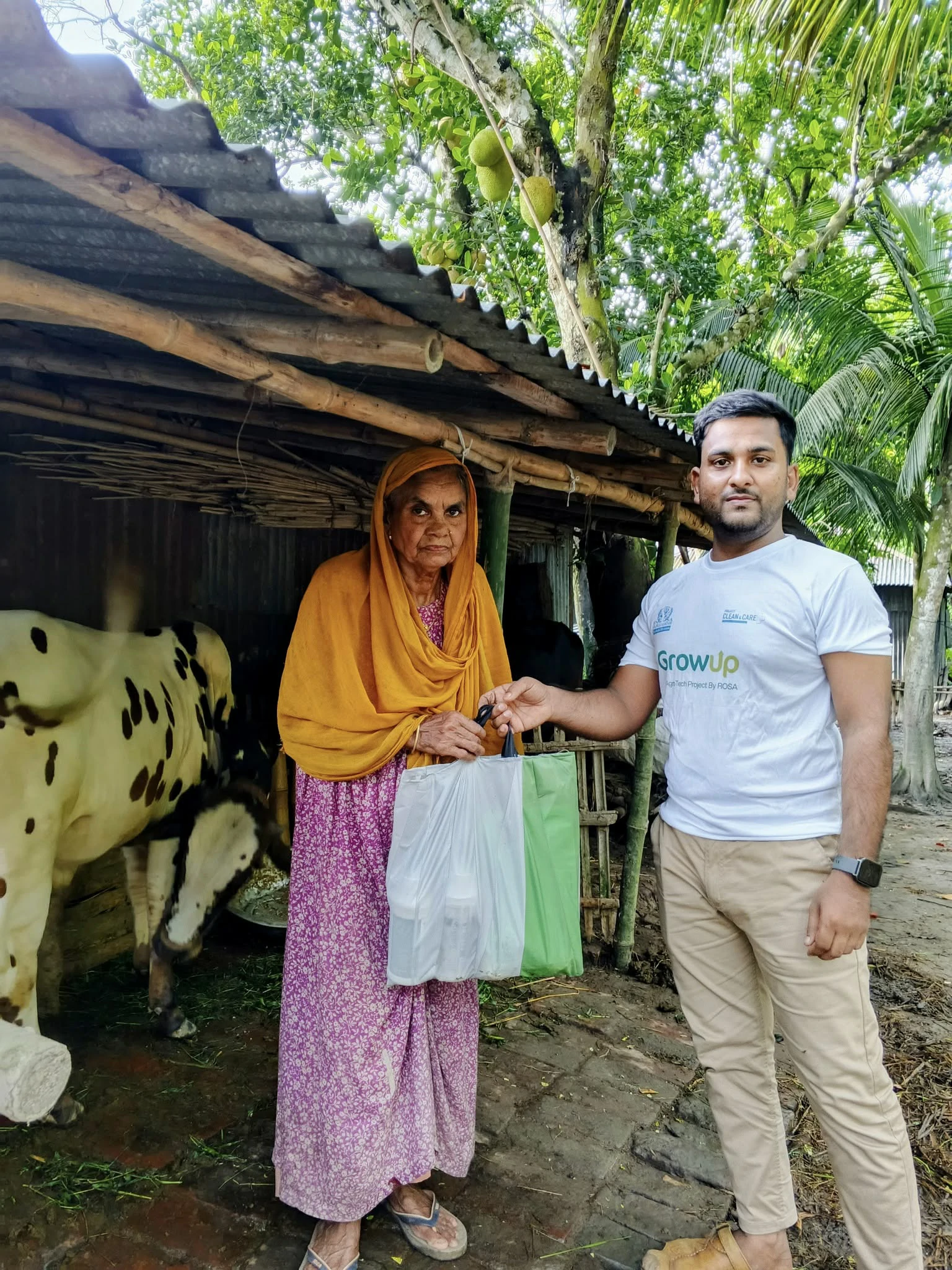
After working with 5,500+ farmers across Bangladesh — and with 12,000 more already enlisted and waiting for funding — three simple lessons keep guiding GrowUp’s model.
Access drives impact
Trust unlocks scale and
Profit must include purpose
Short, practical, and field-tested.
Agroculture isn’t a theory — it’s a people business. Every program, tech pilot, and investment at GrowUp begins and ends with conversations on the ground. Below are the three lessons we return to when designing projects, measuring impact, and inviting investors to partner with us.
1) Access is the multiplier
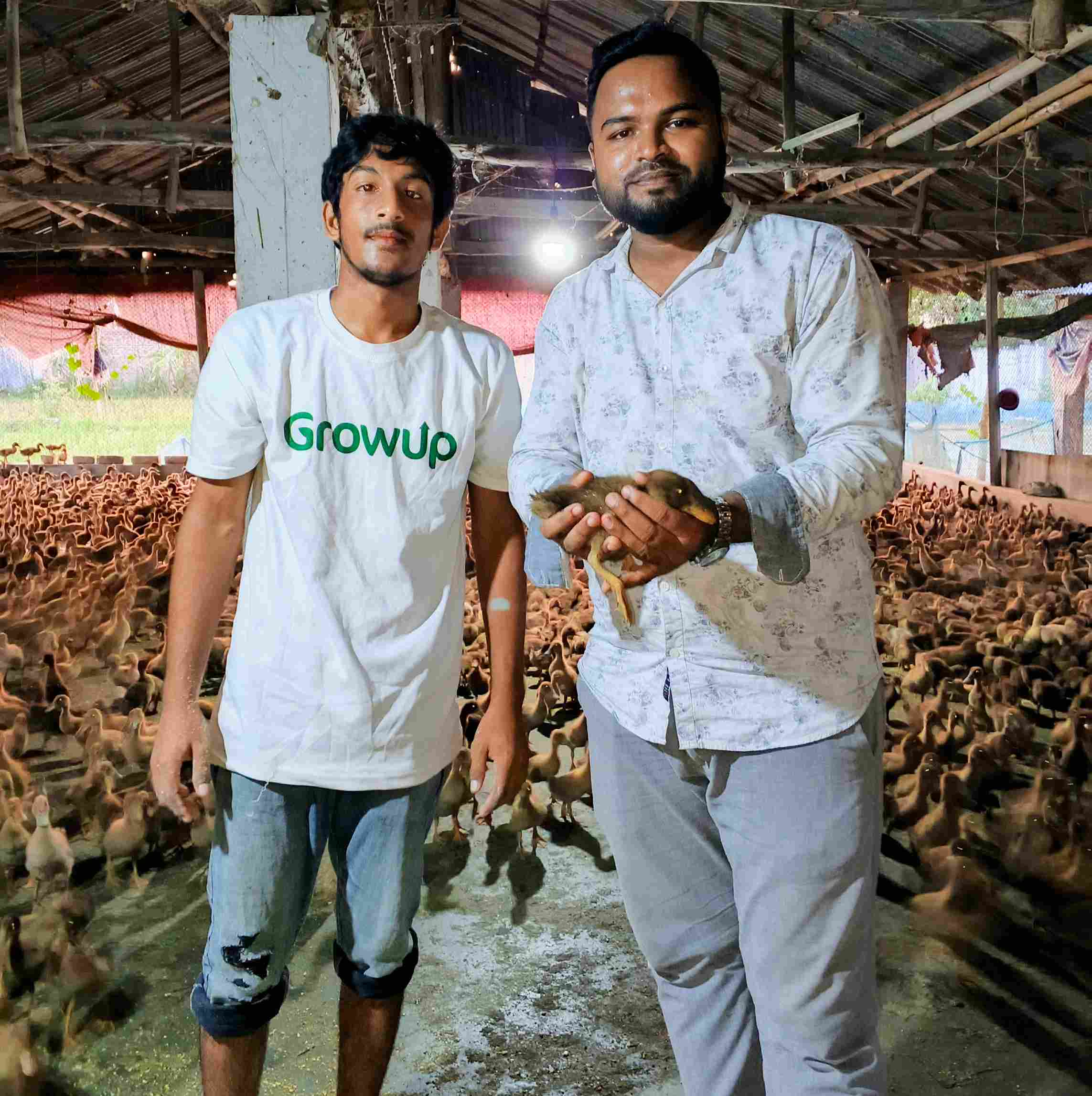
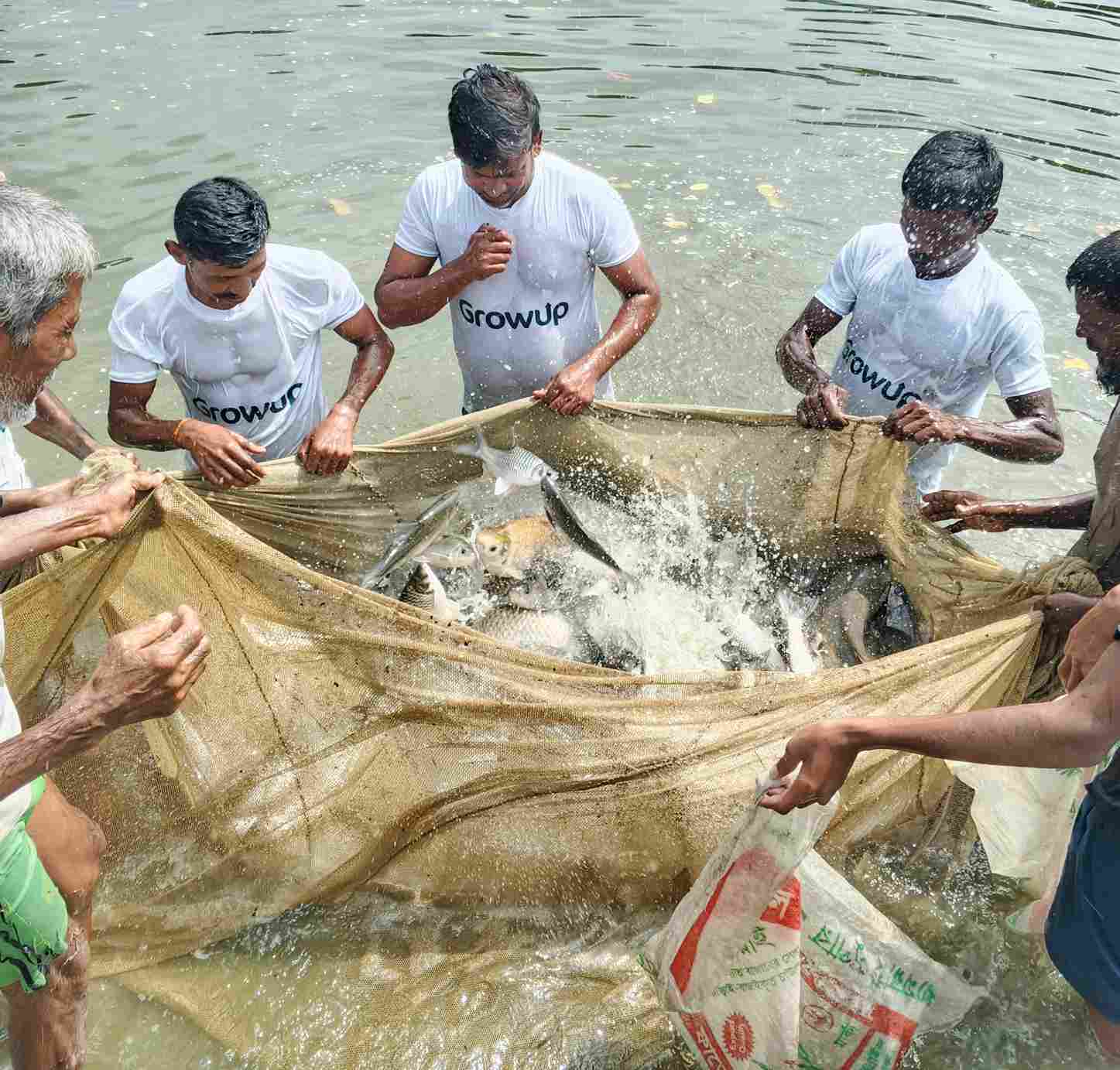
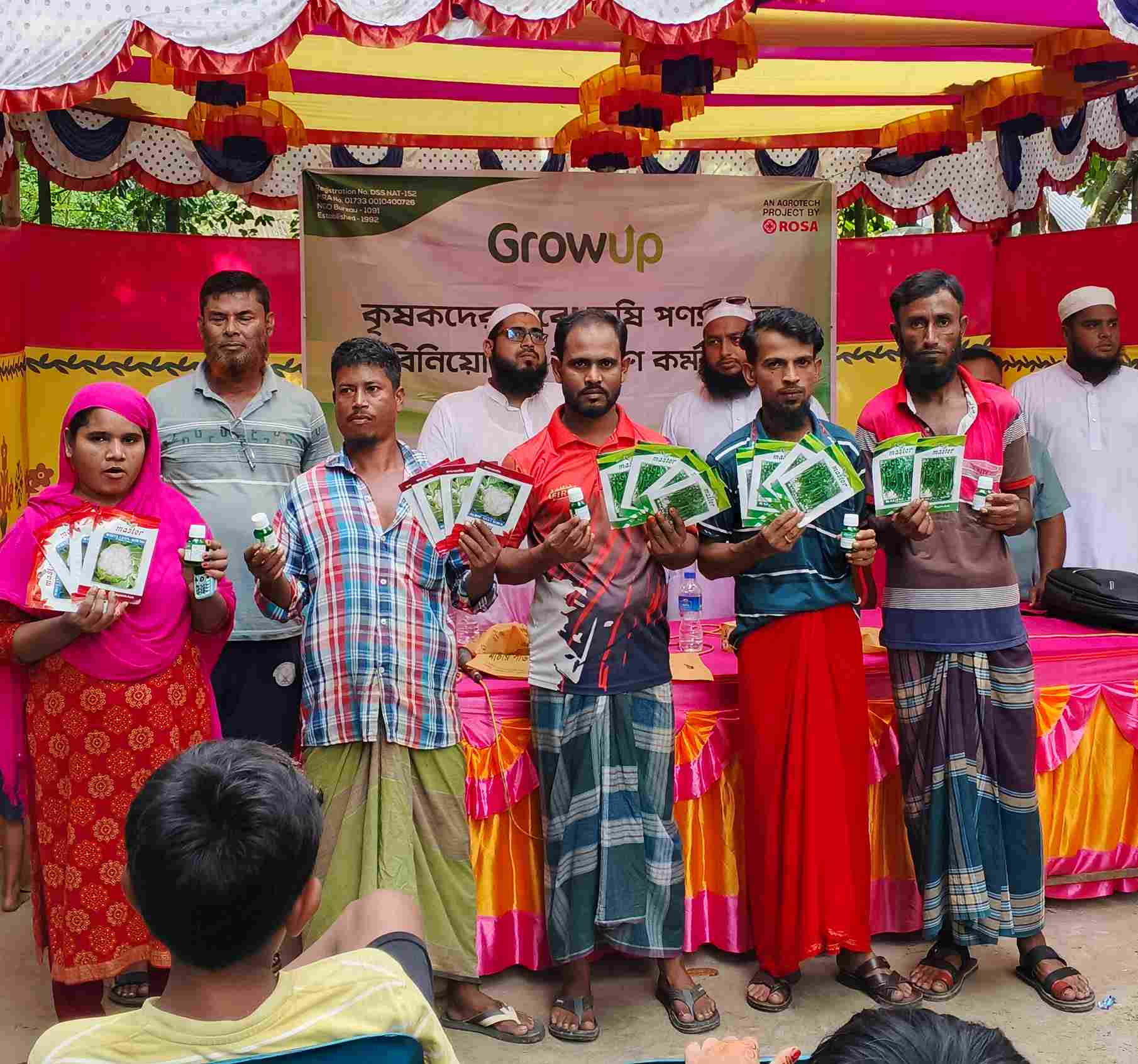
Farmers have the will, not always the access. Give them affordable inputs, quick finance, good seed, and a ready market, and even small changes (like subsidized seed + buyer links) can boost yields, income, and reinvestment. Equip them, and they’ll grow themselves. This is true for the 5,000 farmers we currently serve.
2) Trust is the foundation of adoption
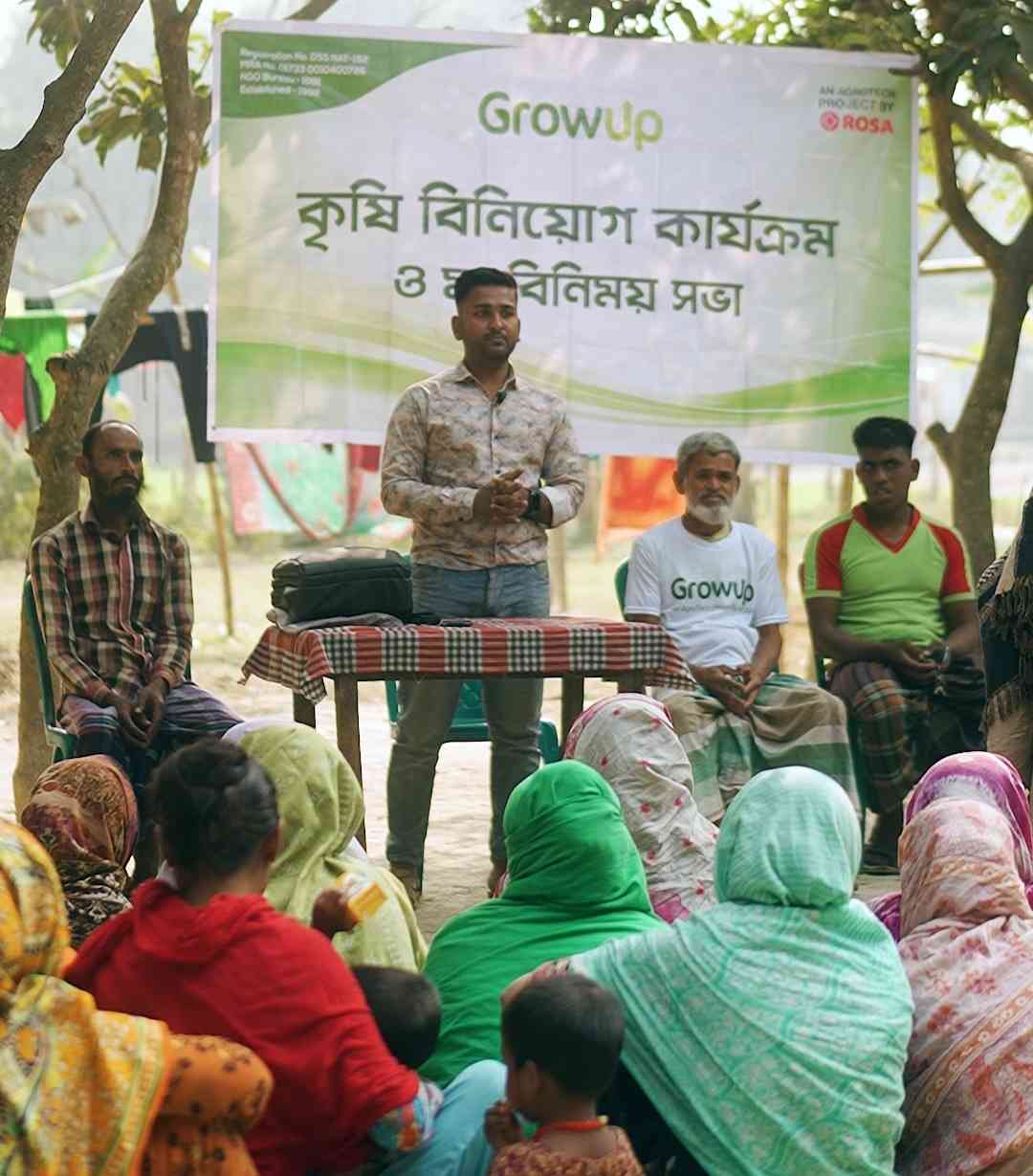
Trust determines whether new inputs or finance are adopted. Transparent reporting, visible farmer benefits, and simple profit-sharing models turn skepticism into partnership. When farmers see evidence — real yields, timely payments, honest communication — adoption accelerates and projects scale with far lower friction. Building this trust with 5,500 farmers has shown us the way forward — and the next 12,000 waiting can benefit faster once funding unlocks.
3) Profit and purpose must coexist
Impact that’s not financially sustainable won’t last; profits without impact aren’t ethical. Our projects are designed so farmers earn first, investors receive predictable returns, and communities gain resilience. This dual-ROI model attracts mission-aligned capital and keeps value circulating in rural economies.